I find that there are many ways to learn. I hope to provide some insight on the ways that I learn, share knowledge, and be a great community citizen to the web.
STOP MAKING LABELS
How we create labels every day: That marketer will never understand software development That developer doesn’t do strategy He doesn’t talk in meetings. It is just his introvert nature. Her skills assessment shows she has a temper.
TAKING THE FIRST STEPS
I have found it extremely difficult to get started on projects that I think are daunting. It gets even worse when I don’t know where to start.

SIMPLIFY: A TEN DAY RECAP
Simplify: To make something easier to do or to understand. For the last 10 days I have been doing a study on Simplify. The intro starts out with Overscheduled, Exhausted, Overwhelmed? Sound Familiar? At that point, I just knew I had to dig in and see what insights I could gleam off of the study. As each day progressed, I shared my notes with my wife, who in turn shared her wisdom about the study also. Here are some of the highlights I took away.

HOW I COMMUNICATE WITH MYSELF
Throughout my life, I have heard that it was ok to talk to yourself as long as you didn’t answer back. People might think you are crazy or something. Well I must be crazy. Not only to I talk to myself, I can carry on quite a back and forth conversation. I suppose that I could just find Harvey hopping around and have the conversation with him. I might get a totally different perspective. I don’t just talk to myself though, I also leave sticky notes and take a mirage of whiteboard pictures of scribblings only I understand. I even send myself emails from myself to remind myself to do something for myself. Kind of chaotic huh.
CAN YOU UNDERSTAND ME?
I am constantly surrounded by a very diverse group of individuals. I can name 15 differently languages that can be spoken in my work hallway alone.
SILENCE CAN BE REALLY LOUD WHEN THERE IS A PROBLEM
There was no update in the last 2 weeks. Just silence, crickets, and an occasional rumor that something was amiss.

ONE QUESTION YOU SHOULD ASK BEFORE MAKING A DECISION
When I heard this question asked by Andy Stanley, I wasn’t prepared for how much this question would infiltrate my thoughts and decisions. The question is becoming one that I am thinking about each time and saying where appropriate. Are you ready to internalize this question? Andy Stanley put the question in the form of “What would a great leader do?” Replace the word leader with: Employee Friend Husband / Wife Parent And the list goes on: Maybe you have uncovered the power of this great question, “What would a great (Fill in the Blank) do?” If so, you probably already know the value. For those of you just discovering this question, let me share my thoughts:
FEEDBACK WITH INTEGRITY
Over the past few days, my inbox has started to fill with requests for feedback from my peers. Interestingly, I don’t know if they personally requested it or if it was requested by their manager. Either way, I am encouraged that I may be able to participate in such a valuable exercise. However, before I share how I provide feedback, let’s understand the realities of feedback systems. Anonymity skews the results There are many studies that show when people don’t have to identify who they are, the quality of feedback diminishes. If the results are scale based with comments, you will tend to see most answers to the far right, far left, and few in the middle. It is important to take anonymous criticism with a grain of salt and be skeptical of steeped praise as genuine.
MY CURRENT COMMUNICATIONS RESPONSE MATRIX
Here is a current list on how I think when it comes to responding in various communications mediums.
SETTING EXPECTATIONS FOR COMMUNICATIONS RESPONSES
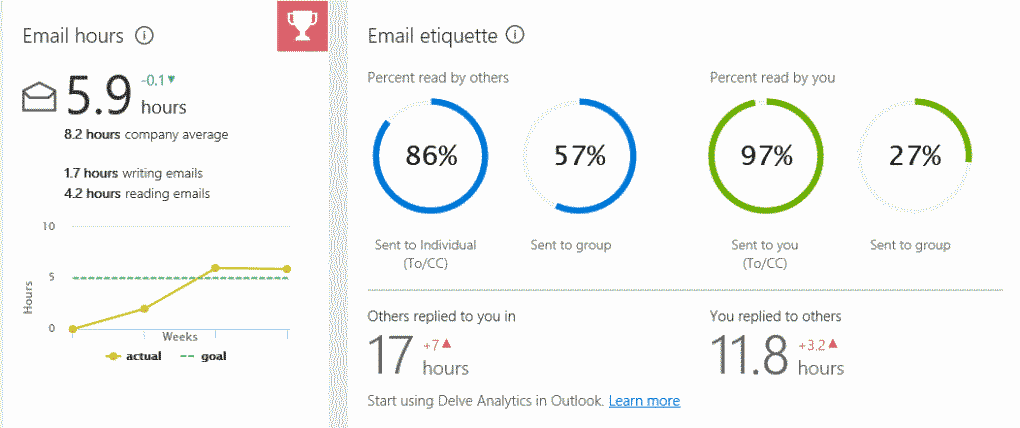
As I have started thinking about the best ways to communicate, I am realizing that most of my communications problems are self-inflicted. One of the biggest areas is how I respond. I very rarely respond to text messages, I may read Facebook feeds every couple of days, I am not consistent on mediums such as twitter, and I am too instantaneous on email. I am not saying that how I respond or interact above is bad, in fact, I would argue that for the most part they are absolutely the right approaches for me. However, there is potentially another person on the back side of the email, text, or post with whom communication happens. My goal now is to set the right expectations with my style of communication.